
Articles
What Does a 4 Gas Monitor Detect? (Updated in 2026)
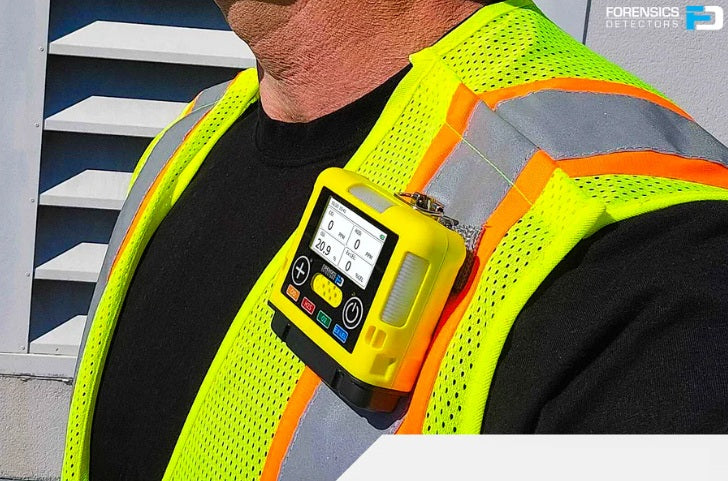
A 4 gas monitor is a portable safety device used to detect and measure four critical gases in the air: carbon monoxide (CO), oxygen (O2), hydrogen sulfide (H2S), and combustible gases (EX). These gases are among the most common and dangerous hazards found in confined spaces and industrial environments. By continuously monitoring air quality, a 4 gas monitor provides real-time readings and alerts users through audible, visual, and vibration alarms when gas levels move outside safe limits. This allows workers to respond immediately and reduce the risk of injury, poisoning, or explosion. As a result, 4 gas monitors are widely used in industries such as construction, oil and gas, mining, maritime, and wastewater operations.
Best Confined Space Gas Detector (2026 update)
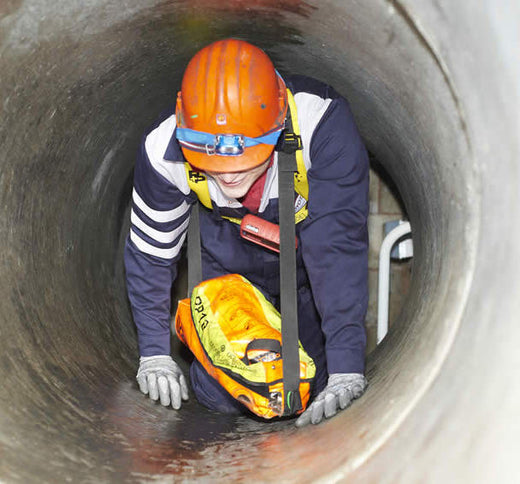
A confined space gas detector is a device that detects the presence of toxic gases in a confined space. These detectors are designed to ensure occupational health and safety compliance and to protect personnel from exposure to harmful fumes, gases, vapors or lack of oxygen. They are an essential tool for anyone working in confined spaces, such as tanks, silos, sewers, and tunnels, as they can help identify hazardous atmospheres before workers enter the space. Using a confined space gas detector can help prevent accidents and save lives. With the help of these detectors, workers can identify and mitigate the risks associated with working in confined spaces. The importance of having a reliable and effective confined space gas detector cannot be overstated, and it is crucial to ensure that workers are adequately trained in their use to maximize their safety.
Best 4 Gas Monitor for Confined Space (2026 update)
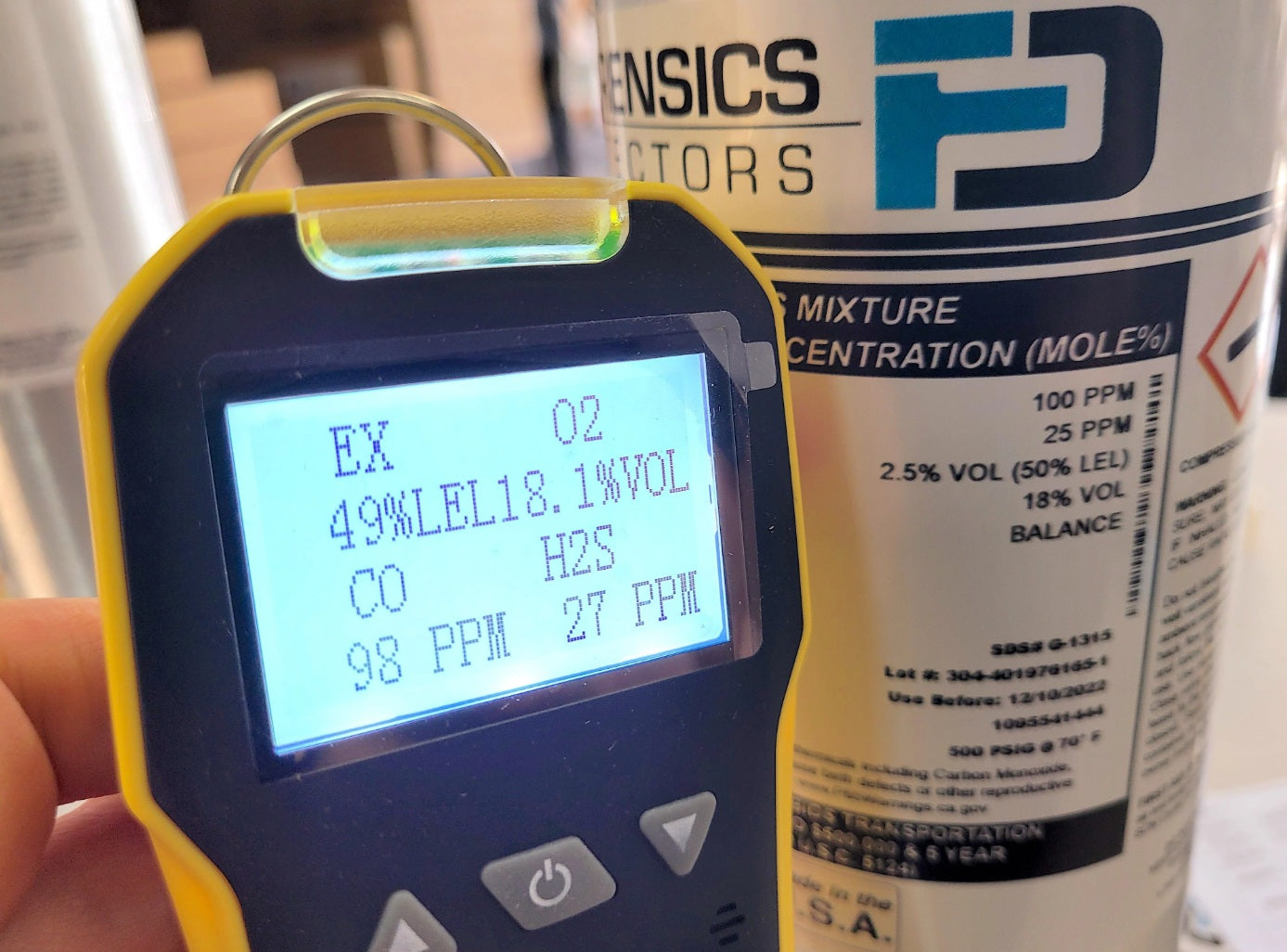
A 4 gas monitor detects gases such as carbon monoxide (CO), oxygen (O2), hydrogen sulfide (H2S), and combustibles (EX). When air quality is compromised, these devices are used for personal protection. Examples of hazardous gas environments include confined spaces such as tanks, vessels, silos, and tunnels.