
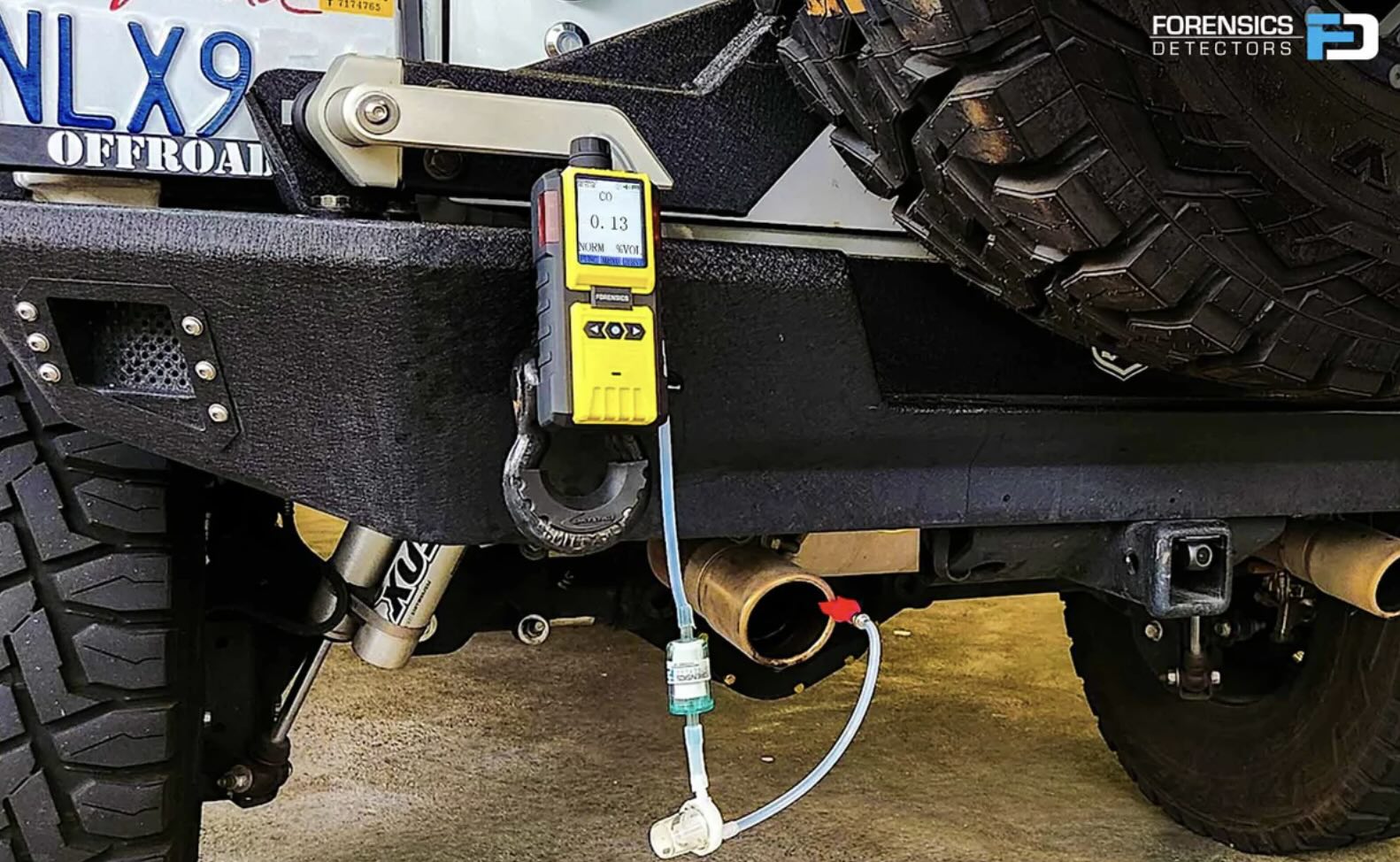
Carbon monoxide exhaust gas analyzers are diagnostic instruments engineered specifically for tuning, diagnosing, and inspecting internal combustion engines. Unlike modern vehicles managed by complex computer loops, older classic cars, forklifts, motorcycles, and small utility engines rely heavily on manual carburetor adjustments and mechanical fuel injection systems. Measuring carbon monoxide concentrations directly at the tailpipe provides mechanic technicians with immediate feedback on fuel mixture richness, combustion efficiency, and engine health.
| PROS | CONS |
|---|---|
|
|
Best Carbon Monoxide Exhaust Gas Analyzer
- Forensics Detectors Carbon Monoxide Exhaust Gas Analyzer
- Bridge Exhaust Gas Analyzer
- Blanke Industries Exhaust Gas Analyzer
-
Kane Exhaust Gas Analyzer Carbon Monoxide
What is a Carbon Monoxide Exhaust Gas Analyzer?
A carbon monoxide exhaust gas analyzer is a specialized diagnostic instrument that samples tailpipe emissions to measure carbon monoxide levels in parts per million, but more commonly in %vol. Utilizing internal sampling pumps and electrochemical or NDIR sensors, it quantifies the volume percentage of carbon monoxide produced during combustion. Mechanics use this data to evaluate air-fuel ratios, inspect emissions compliance, and tune engine fuel delivery systems accurately.
How does a carbon monoxide exhaust gas analyzer work?
An internal pump draws exhaust gas through a flexible stainless steel probe inserted into the vehicle's tailpipe. The gas passes through filters and water traps to eliminate soot and condensation before reaching an internal electrochemical or non-dispersive infrared (NDIR) sensor. The sensor measures gas concentration and displays the carbon monoxide percentage on a digital screen in real-time.
Why is CO measurement so critical for older cars and classic vehicles?
Older cars lack modern closed-loop engine control units and oxygen sensors. Carbohydrate screws or mechanical fuel injectors must be adjusted manually. Carbon monoxide direct measurement serves as the primary indicator of fuel mixture richness. Monitoring carbon monoxide ensures classic engines run smoothly without running excessively rich, which fouls spark plugs and wastes fuel.
Why do forklift mechanics rely on carbon monoxide analyzers?
Forklifts often operate inside enclosed warehouses, distribution centers, and manufacturing plants. Propane and gasoline forklifts produce carbon monoxide, which can rapidly accumulate to toxic levels indoors. OSHA guidelines require routine emissions inspections. Mechanics tune forklift regulators using carbon monoxide analyzers to keep emissions below safe regulatory exposure limits.
How are CO analyzers used for tuning motorcycles and small engines?
Motorcycles, lawnmowers, generators, and small marine engines frequently use multi-carburetor setups without computer management. Mechanics connect an exhaust analyzer to individual exhaust headers to balance air-fuel ratios across cylinders. Accurate carbon monoxide tuning ensures maximum horsepower, crisp throttle response, clean idling, and smooth operation under varying engine loads.
What is the difference between a CO-only analyzer and a 5-gas exhaust analyzer?
A CO-only analyzer measures strictly carbon monoxide concentration, making it lightweight, affordable, and ideal for basic fuel tuning. A 5-gas analyzer measures carbon monoxide, carbon dioxide, unburned hydrocarbons, oxygen, and nitrogen oxides. While 5-gas units provide complete combustion analysis for modern emissions testing, CO-only units offer portable, targeted tuning for older mechanical engines.
How does a CO analyzer differ from a dedicated NOx analyzer?
Carbon monoxide analyzers measure rich air-fuel conditions caused by incomplete combustion. Conversely, NOx (nitrogen oxide) analyzers measure toxic compounds formed under extremely high combustion temperatures typical of lean fuel mixtures or EGR system failures. While CO analyzers optimize fuel delivery, NOx analyzers diagnose engine overheating, pinging, and smog compliance issues.
What ideal CO percentages should mechanics aim for when tuning carbureted engines?
Most classic carbureted street vehicles perform best with an idle carbon monoxide reading between 1.5% and 3.5%. High-performance engines may require 3.5% to 4.5% CO for smooth idle, while lean-burn industrial equipment aims below 1.0%. Always consult specific manufacturer service manual recommendations for target values.
What causes high carbon monoxide emissions in an exhaust stream?
High carbon monoxide indicates an excessively rich air-fuel mixture where insufficient oxygen is present to complete combustion. Common causes include dirty air filters, stuck chokes, oversized carburetor jets, excessive fuel pressure, leaking fuel injectors, or restricted engine crankcase ventilation systems.
Can a CO analyzer help diagnose engine misfires?
A CO analyzer provides partial diagnostic insight. A rich misfire (caused by excessive fuel) shows elevated CO levels. However, a lean misfire or ignition spark failure will drop CO levels while leaking unburned fuel. Combining CO data with engine vacuum or hydrocarbon readings delivers a complete diagnostic picture.
Why is moisture management important for exhaust gas analyzers?
Exhaust gas contains significant amounts of water vapor produced during combustion. Liquid water entering the sample hose can ruin internal optical lenses or poison electrochemical sensors. Quality CO analyzers feature water traps, inline condensation filters, and automatic drain pumps to protect internal components.
What sensor technologies are used in exhaust CO analyzers?
Exhaust CO analyzers use electrochemical sensors or Non-Dispersive Infrared (NDIR) optical sensors. Electrochemical sensors are compact, responsive, and budget-friendly. NDIR sensors are highly precise, long-lasting, fast-reacting, and ideal for heavy-duty shop environments requiring continuous daily operation.
How often should an exhaust CO gas analyzer be calibrated?
Daily zero-calibration in fresh ambient air is recommended before testing. Span calibration using certified bump gas should occur every six to twelve months, depending on usage intensity. Regular calibration guarantees measurement accuracy, verifies sensor health, and maintains reliable diagnostic results.
Are portable CO exhaust analyzers suitable for road-testing vehicles?
Yes, handheld battery-powered CO analyzers allow technicians to perform dynamic road testing. Mounting the probe in the tailpipe while driving helps diagnose rich stumbles, acceleration fuel delivery issues, and high-load enrichment problems that cannot be replicated in a stationary garage bay.
What is air-fuel equivalence ratio (Lambda) and how does it relate to CO?
Lambda represents the ratio of actual air-fuel mixture to stoichiometric ideal (14.7:1 for gasoline). A Lambda value under 1.0 indicates a rich mixture with high CO output, while Lambda above 1.0 represents a lean mixture with minimal CO output. CO levels directly reflect Lambda balance.
How does a catalytic converter affect tailpipe CO readings?
A functioning catalytic converter converts raw carbon monoxide into carbon dioxide. Consequently, tailpipe CO readings downstream of a catalyst will measure near 0%. When tuning engine air-fuel ratios, mechanics must sample upstream of the catalyst or disable secondary air injection systems to obtain true engine-out emissions.
What maintenance does a carbon monoxide exhaust analyzer require?
Routine maintenance includes emptying water collection traps, replacing dirty inline particulate filters, checking sampling hoses for cracks, inspecting probe tips for soot blockage, and replacing depleted electrochemical sensors according to manufacturer schedules.
Why is CO emission monitoring important for indoor workplace safety?
Carbon monoxide is an odorless, colorless toxic gas that binds to hemoglobin, depriving human organs of vital oxygen. Exhaust monitoring ensures forklifts and indoor power equipment do not pollute indoor air, preventing headache, dizziness, nausea, and fatal workplace poisoning incidents.
What key features should mechanics look for when purchasing a CO analyzer?
Essential features include fast response times, integrated condensation filters, durable stainless steel tailpipe clamps, bright backlit displays, long battery operation, easy span calibration routines, and rugged housing suitable for tough shop environments.
What is the overall industry outlook for CO exhaust analyzers?
While modern electronic vehicles dominate consumer markets, CO analyzers remain essential for classic car restorations, motorcycle tuning shops, small engine repair, and industrial forklift maintenance. Continued focus on workplace air safety guarantees demand for portable, dedicated exhaust analyzers.
Conclusion
Carbon monoxide exhaust gas analyzers provide mechanics and technicians with an indispensable tool for tuning carburetors, diagnosing fuel delivery issues, and inspecting internal combustion engines. While full 5-gas and NOx units suit modern multi-gas diagnostic labs, targeted CO analyzers offer an affordable, portable solution for vintage cars, forklifts, motorcycles, and small engines. Incorporating routine CO testing optimizes engine performance, reduces fuel consumption, protects health, and maintains safer indoor air standards across commercial and recreational industries.